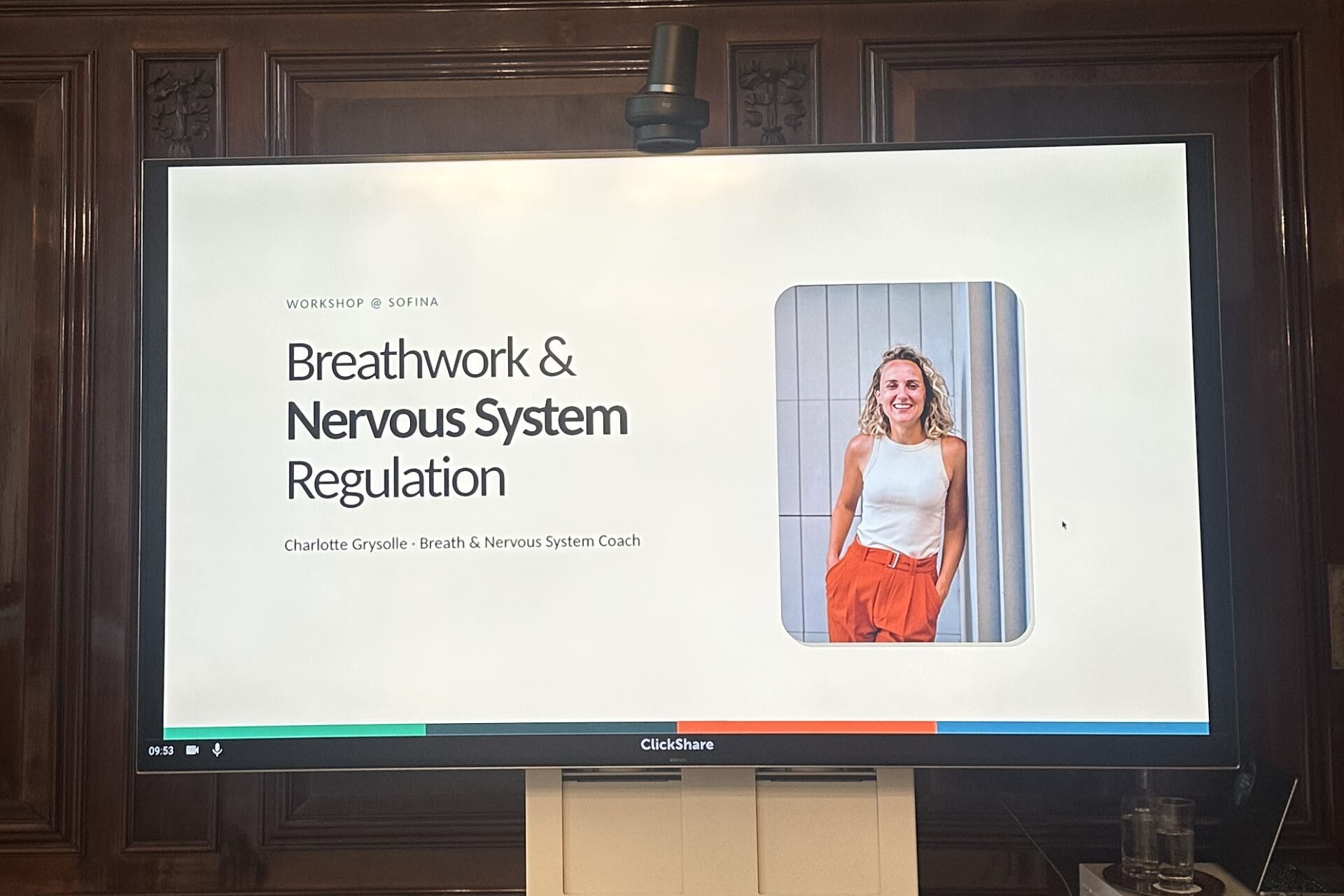
Nervous System Regulation Workshop for VC firm Sofina — Brussels, Belgium
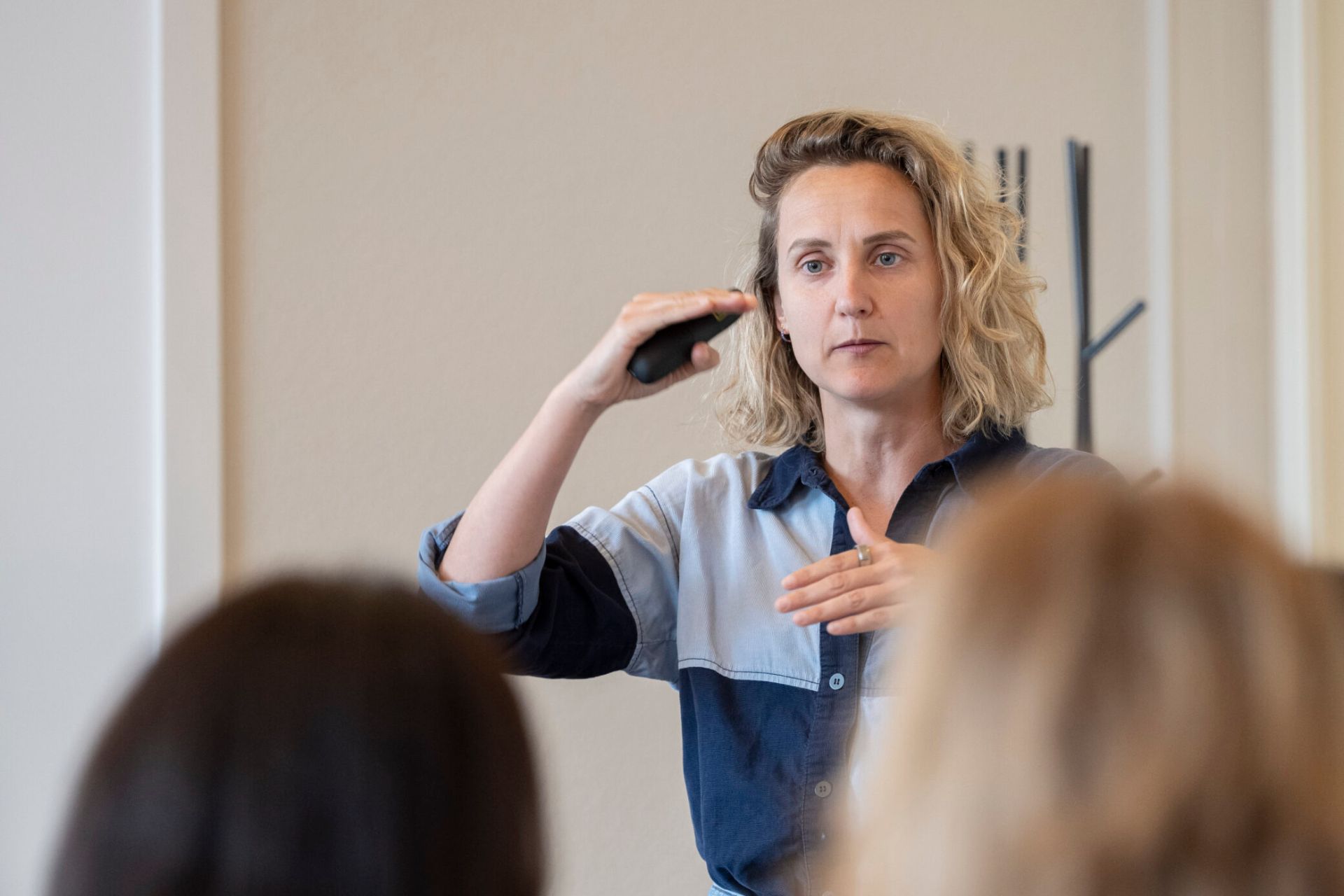
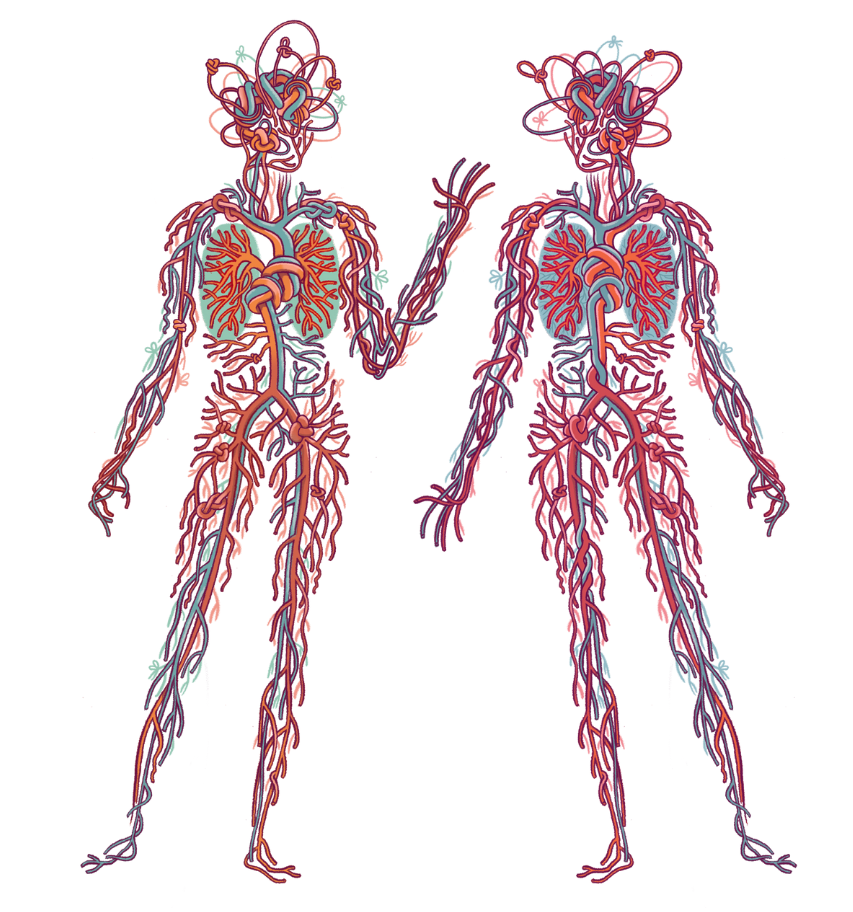
In May, I ran a company-wide session on breathwork and nervous system regulation at Sofina, an investment holding company based in Brussels. The brief was simple: They wanted something experiential, with tools they could use the same day — for the boardroom, the negotiation, the 2 pm slump, the Sunday night when sleep won't come. What we did in nervous system regulation workshop Here's the frame I built the nervous system regulation session around: Nervous system regulation is your ability to match your internal state to what the present moment actually calls for. A board meeting calls for sharp and alert. A team lunch — relaxed, engaged. The drive home calls for proper winding-down. Most of us stay in the same gear regardless, usually hovering somewhere between wired and tired, never quite landing anywhere. So I started with showing the group the 'Arousal Continuum'. From panic on one end, through stressed, alert, calm, drowsy, all the way to freeze on the other. The question for the room: where do you spend most of your day? And — separately — where do you wish you spent it? Then we talked about the breath, and its connection to the Arousal Continuum. The breath i'ss the most direct lever we have on this continuum,...