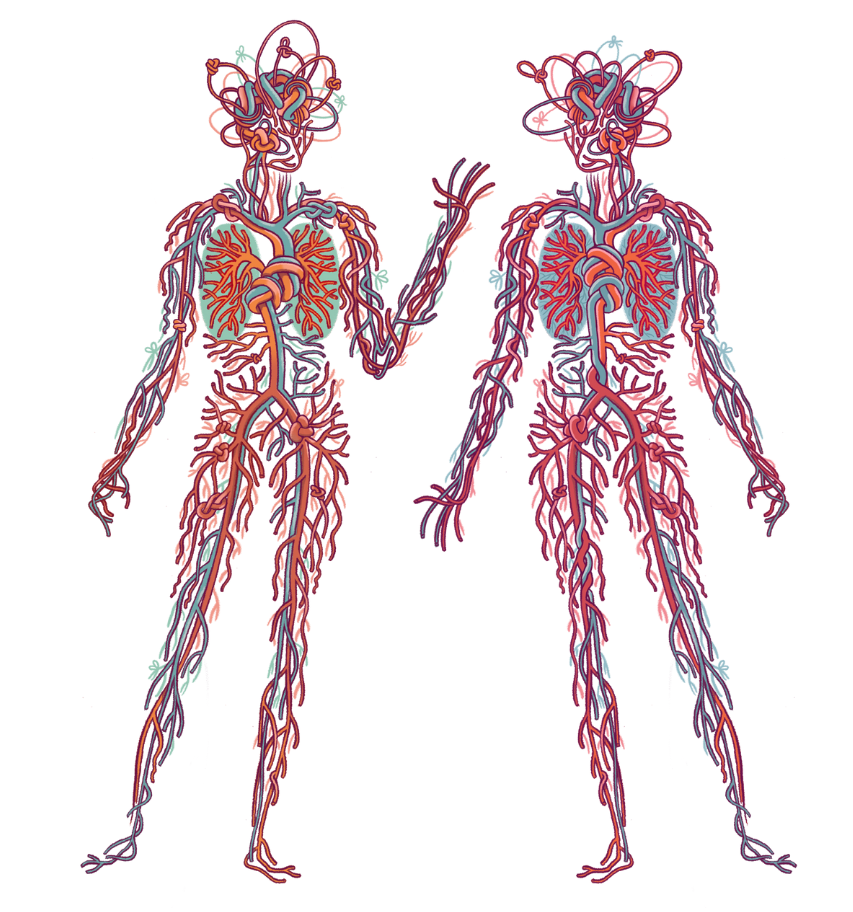
3 ways to use your eyes to shift your nervous system state
Our visual system is perhaps the strongest lever by which we can shift our state of mind and body. (Andrew Huberman) Soften your gaze for a moment. Without moving your head, guide your eyes in a slow, deliberate circle – as if you're tracing the edge of a clock on the wall. Feel the smoothness of this movement, the subtle stretch as your eyes reach each corner. Let your eyes slowly close halfway, then three-quarters, then open them wide like you've just seen something surprising. You can direct them up toward your eyebrows, down toward your cheeks, or dart them quickly from side to side. Play with these micro-movements. Now focus on one single word on the screen. One single letter. And now expand your visual field, taking in as much of the space around you as possible without moving your head. Notice how you can easily switch between these modes. This conscious play with your eyes is more than just an exercise—it's a rediscovery of a powerful tool you've always had but perhaps never fully explored. These delicate organs that move automatically throughout your day are completely under your conscious control. Each movement sends ripples of information through your nervous system, influencing your entire state of being. How come the eyes...